The tourism and business travel sector is one of the largest contributors to foreign exchange globally, and at the heart of this industry lies the hospitality business. The question “Is the hotel business profitable?” often comes to the minds of investors. The answer is: Highly promising,as long as it is managed with precise strategy.
This business is not just about renting out rooms for sleeping, but about selling experiences, comfort, and service. In the post-pandemic era, traveling trends have actually surged sharply with the emergence of concepts like digital nomad and staycation.This article will break down why this business is worth considering and how you can start it from scratch.
What Is a Hotel Business?
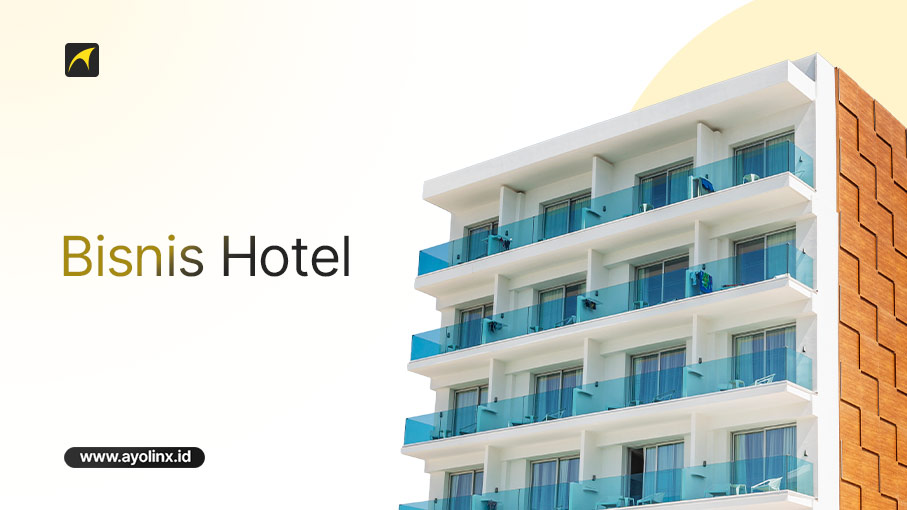
Fundamentally, a hotel business is the provision of accommodation services in the form of lodging that is managed commercially. Unlike renting out houses or boarding houses, hotels offer additional facilities such as housekeeping services, food and beverages, entertainment facilities, and 24-hour security.
On an economic scale, hotels function as supporting infrastructure for a destination. Without adequate hotels, a tourist area or business hub would not be able to accommodate the flow of visitors. Therefore, the hotel business has a very strong connection with local economic growth and the development of surrounding infrastructure.
Unique Characteristics of the Hotel Business
Before entering the field, you need to understand that the hotel business has characteristics that differ from manufacturing or retail businesses:
- Capital Intensive(Capital Intensive)Building a hotel requires a large initial investment for land, construction, interior design, and licensing.
- Labor Intensive(Labor Intensive)Hotel operations rely heavily on people. From receptionists, housekeepingto chefs, every role must deliver excellent service directly.
- Perishable Product(Perishabili)tyIf a room is not sold tonight, the potential revenue from that room for that day is lost forever. You cannot “store” room inventory to sell the next day like goods in a warehouse.
- Highly Seasonal(Seasonality)Hotel occupancy will surge during holiday seasons(peak season)and can drop significantly during regular weekdays(low season)).
Types of Hotel Businesses Based on Target Market
Not all hotels have to be high-rise buildings with hundreds of rooms. Choosing the right type of hotel is key to your investment success:
- City Hotel: Located in the city center, usually near office areas or shopping centers. The main target is business travelers or those visiting for short official trips.
- Resort Hotel: Located in tourist areas such as beaches or mountains. Resorts focus on recreational facilities like swimming pools, spas, and natural scenery. The target market is families or couples who want to vacation for a longer period.
- Boutique Hotel: A hotel with a limited number of rooms (usually under 50) but featuring very unique, aesthetic, and thematic interior designs. This type is very popular among Millennials and Gen Z.
- Budget Hotel / Smart Hotel: Focuses on affordable pricing with essential and functional facilities. Suitable for backpacker or travelers who only need a clean bed and fast internet connection.
How to Start a Hotel Business
Building a hotel requires careful planning so that the large investment is not wasted. Here are the strategic steps:
- Step 1: Market Research and Location
Location is everything(Location, Location, Location)Conduct a survey to determine whether there are already many competitors in the area. Who is your target guest? If it’s near an airport, focus on service speed and transit comfort. If it’s near a campus, a budget hotel may be more suitable.
- Step 2: Preparing a Business Plan and Feasibility Study
You need to calculate the Return on Investment (ROI). What is the average room rate per night (ADR – Average Daily Rate)?What is the target occupancy rate needed to reach the break-even point (Break Even Point)?Break Even PointDon’t forget to include operational costs such as electricity, employee salaries, and building maintenance.
- Step 3: Licensing and Legal Compliance
The accommodation business is subject to strict regulations. You need to obtain permits such as a building permit (IMB), environmental permit (AMDAL), Tourism Business Registration (TDUP), as well as health and fire safety certifications.
- Step 4: Design and Construction
Hotel design must balance aesthetics and operational efficiency. For example, the linen storage area should be easily accessible for housekeeping staff to speed up the room cleaning process. Make sure water and electrical installations are designed for intensive use.
- Step 5: Marketing and Digital Distribution
In today’s era, guests no longer come directly to hotels to make reservations. You need to collaborate with OTAs(Online Travel Agents)such as Traveloka, Agoda, or Booking.com. In addition, optimize social media to showcase the instagrammable corners of your hotel..
- Step 6: Operational Management
Establish strict Standard Operating Procedures (SOP). From how to greet guests, the speed of the check-inprocess, to bathroom cleanliness standards. Guest satisfaction is the most effective form of free promotion.
Why Is the Hotel Business So Promising?
If you’re wondering why you should choose the hotel industry, here are the reasons:
- Property Assets That Keep Appreciating: In addition to daily income from room rentals, the value of your hotel’s land and building will continue to increase every year.
- Multi-Revenue Stream: Hotel income doesn’t come only from rooms. You can rent out meeting spaces(Meeting Rooms),host wedding events(Weddings),and generate revenue from restaurants and cafés within the hotel.
- Resilience to Inflation: You can adjust room rates at any time according to market conditions and inflation, unlike long-term contract businesses where prices tend to remain fixed.
Improve your hotel operations with Ayolinx, a digital payment solution that makes the reservation process faster and more practical. No more hassle with slow manual transfers that may cause guests to cancel their bookings.
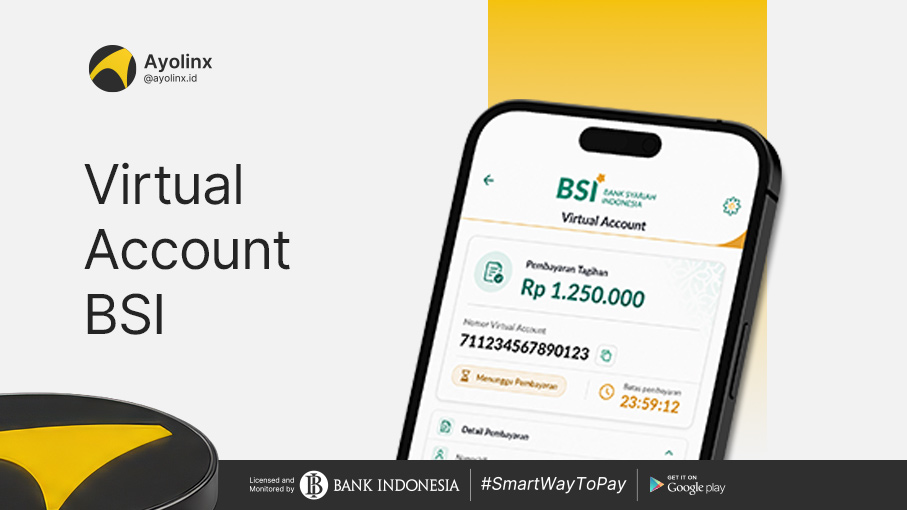
With the Payment Link feature, you simply send a payment link via WhatsApp, and guests can immediately pay using QRIS, Virtual Account, or e-wallet without needing to send proof of transfer. Each payment is also automatically confirmed, allowing staff to quickly process orders while keeping the hotel’s cash flow smooth and secure.
Want faster reservations and more convenient payments? Sign up for Ayolinx now and manage your hotel payments more easily!